the W3C data model for digitally signed claims about subjects - driver's licenses, diplomas, memberships - designed to be presented and verified without calling the issuer, often with selective disclosure.
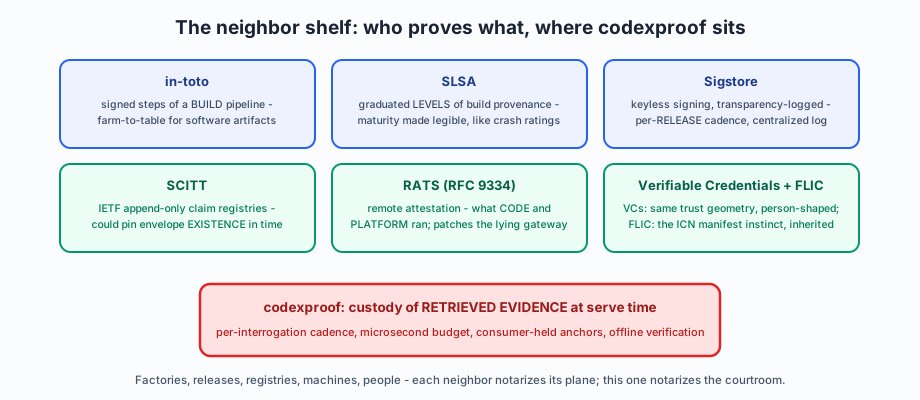
The shelf: VCs run the same trust geometry for people; the red box runs it for bytes and derivations.
Etymology and backstory
the standards spine of the self-sovereign identity movement, W3C Recommendation since 2019 (v2.0 in the 2020s): issuer signs a credential about a subject; the holder stores it and presents proofs to verifiers. The triangle (issuer, holder, verifier) deliberately removes the phone-home: verification is offline against the issuer's public key, and disclosure can be partial (BBS+ signatures, SD-JWT bindings).
Ecosystem
EU digital identity wallets, mobile driver's licenses, education credentials; did:key and did:web as the identifier layer underneath.
In codexproof
cited as the identity-world cousin sharing three design commitments - offline verification, issuer-signed claims, selective disclosure - applied to a different subject: VCs make claims about PEOPLE and organizations; codexproof envelopes make claims about BYTES and their derivation. The salted-commitment disclosure in codexproof is the same move SD-JWT makes for VCs.