the network interface that never leaves the machine - 127.0.0.1 - used both as the safe default binding for services and as the measurement environment where codexproof's latencies were taken.
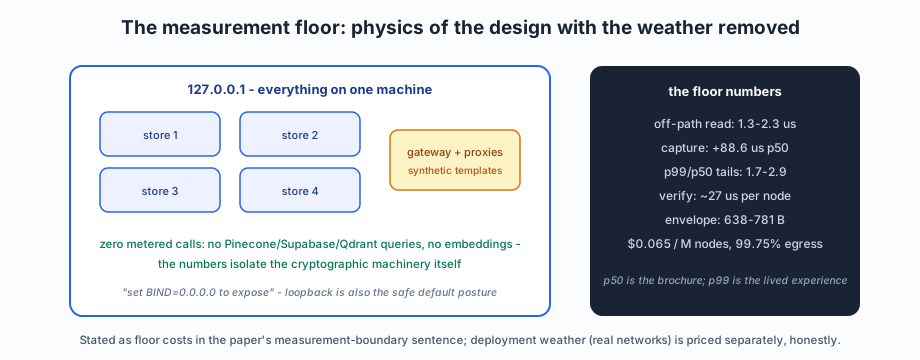
The testbed in one frame: four stores, one machine, zero metered calls.
Etymology and backstory
loopback dates to the earliest TCP/IP stacks as the self-test interface (RFC 1122 reserves the 127/8 block). Two roles matter here: SAFETY (a loopback-bound service is unreachable from the network - secure by unreachability) and MEASUREMENT HONESTY (loopback numbers exclude real network latency, which a paper must disclose - codexproof's do and does).
Ecosystem
every developer's localhost; sidecar architectures (proxies on loopback next to apps); database sockets bound local-only as a hardening default.
In codexproof
prov-store binds loopback unless BIND=0.0.0.0 is set (the startup line prints the escape hatch); the four-store, single-operator testbed ran entirely on loopback with synthetic templates - zero metered calls, zero external network - so the 88.6us and 27us numbers are floor costs of the cryptographic machinery itself, stated as such. The ~74us proxy wait is loopback round-trip, not internet.